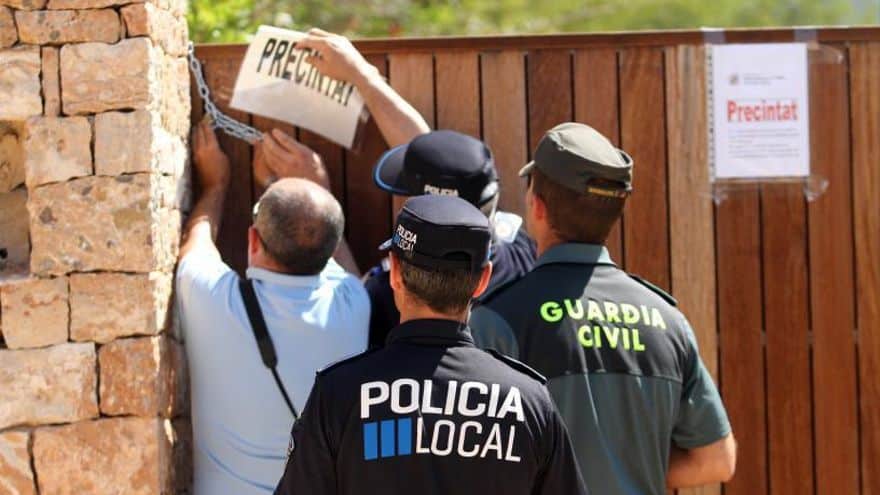
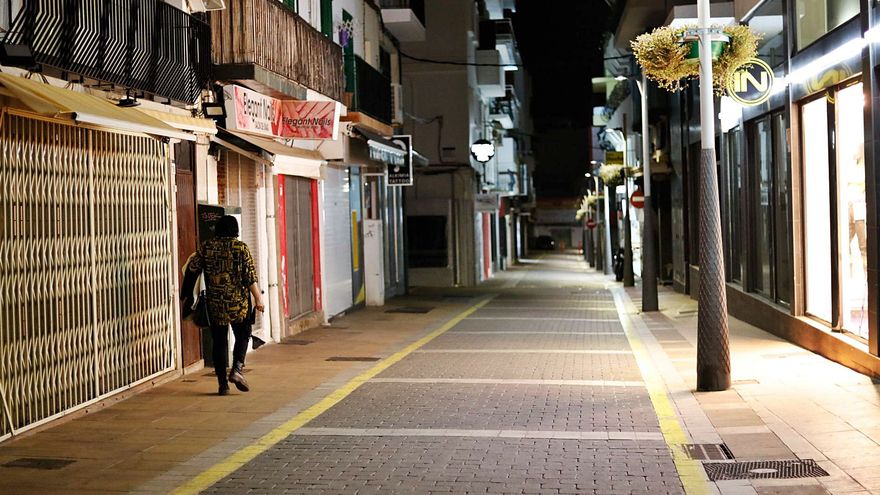
However, according to Gómez, other harsher measures would require ratification by the courts or even state authorisation via decree law, which is what will be demanded at the Interterritorial meeting. In addition, Gómez added that the lifting of the curfew also affects the agility available until now for both the recruitment of personnel and the mobilisation of funds for acquiring resources or equipment.
Other requests to the government
In addition, the communities will take advantage of the Interterritorial Council meeting to ask the Ministry of Health for more vaccines and a clarified calendar, following Janssen’s announcement that it will deliver half of the planned doses (300,000 were expected in April, of which approximately half have been distributed). Another issue to be clarified is which vaccine will be given to those under 60 years of age who have already received a dose from AstraZeneca, around two million professionals in essential sectors (from police to teachers). Another issue, which is still pending from the previous Interterritorial Council, is about common recommendations so that the communities can limit capacity in the face of the progressive reactivation of events and mass activities. In short, the aim is to establish measures to preventively deal with cultural, sporting, religious and festival events, among others, which are considered to be situations of risk of transmission. The previous Council discussed the traffic-light alert levels, which determine a series of actions proportional to the level of risk and adaptable according to the situation and the context of the territory.