Ibiza is one of the most famous islands in the Mediterranean, but also one of the most misunderstood. For decades, its international image has been shaped by a handful of clichés that only tell part of the story. While nightlife and summer tourism are undeniably part of Ibiza’s identity, they do not define the island as a whole.
Beyond the headlines and stereotypes, this island is a place of contrasts: lively and quiet, modern and traditional, social and deeply connected to nature. For travellers willing to look a little closer, the island reveals a much richer and more nuanced reality. These are some of the most common myths about Ibiza — and why they do not reflect what the island is really like.
1. “Ibiza is only about parties“
This is the most persistent myth of all. Ibiza is internationally known for its clubs and electronic music scene, but focusing solely on nightlife ignores most of the island’s landscape and daily life.
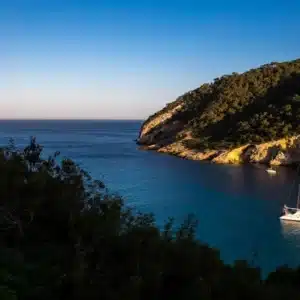
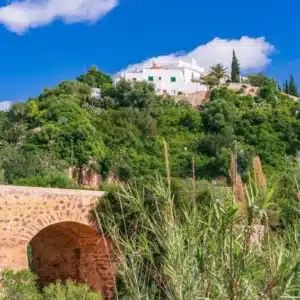
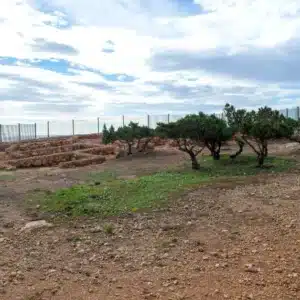
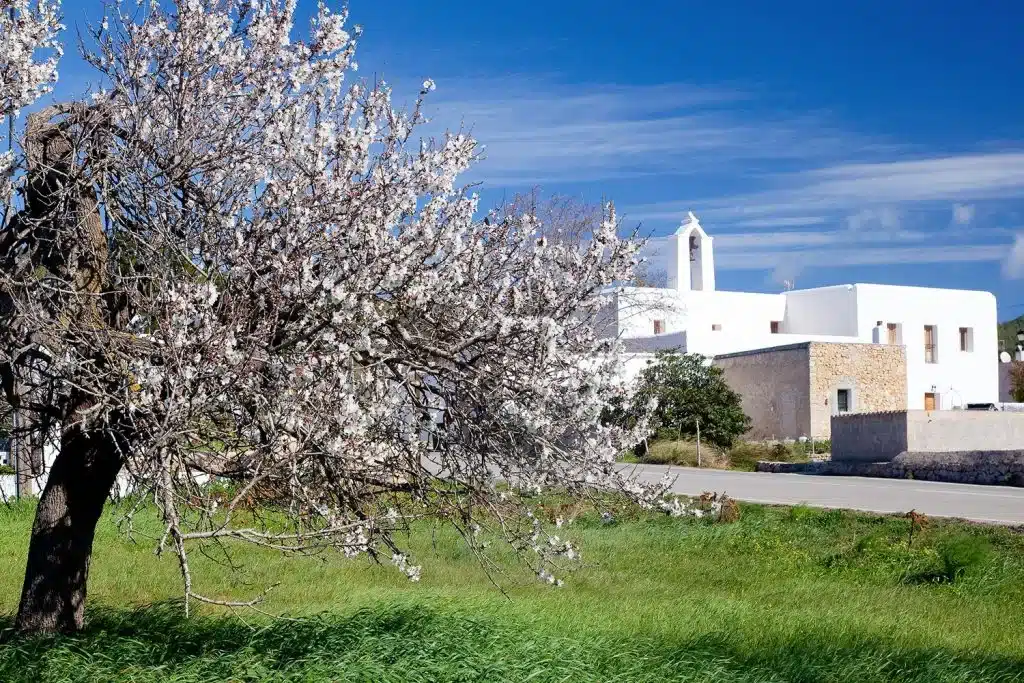
Large areas of the island are rural, dotted with almond trees, vineyards and traditional fincas. The north of the island, in particular, is known for its quiet villages, hiking trails and secluded coves. Even along the coast, there are long stretches where the dominant sounds are the wind and the sea, not music.
For many visitors, Ibiza is a place to disconnect, practise yoga, explore nature, enjoy gastronomy or simply slow down. The party scene exists — but it is just one piece of a much bigger puzzle.
2. “Ibiza is a destination only for young people“
Ibiza does not cater to a single type of traveller. While younger visitors are visible during peak summer months, the island attracts a very diverse audience throughout the year.
Families, couples, solo travellers, hikers, cyclists, food lovers and cultural tourists all find their place in Ibiza. Outside July and August, the demographic shifts noticeably towards an adult, calm and experience-driven visitor.
Spring and autumn are especially popular with travellers who value tranquillity, good weather and outdoor activities. In these seasons, Ibiza feels very different from its summer image, proving that it is a destination defined by interests rather than age.
3. “Everything in Ibiza is expensive“
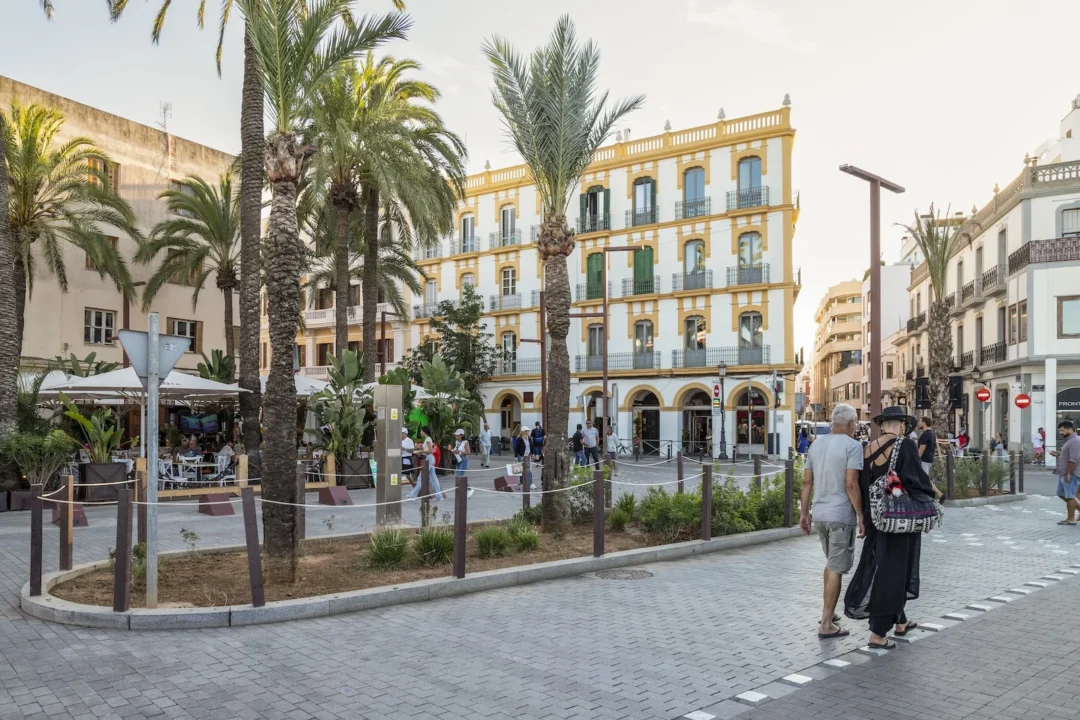
Ibiza does offer luxury — from high-end hotels to exclusive beach clubs — but that does not mean the island is unaffordable. Like most destinations, it can be as expensive or as accessible as you choose it to be.
There are traditional village bars serving affordable menus, local markets with fresh produce, bakeries, small family-run restaurants and countless free plans. Beaches, coastal walks, viewpoints, rural paths and village fiestas cost nothing at all.
Timing also plays a key role. Travelling outside peak season significantly reduces accommodation and dining costs, making the island a surprisingly flexible destination for different budgets.
4. “Ibiza is dead in winter”
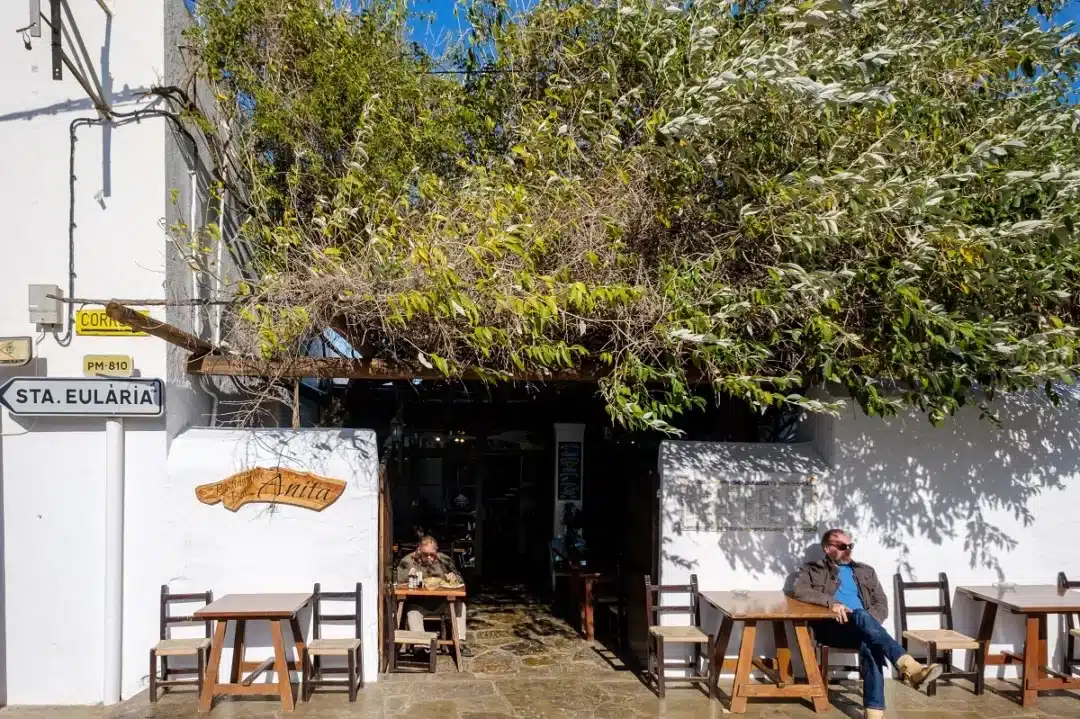
Winter is often misunderstood. While the tourist rhythm slows down, the island does not shut down — it simply returns to a more local pace.
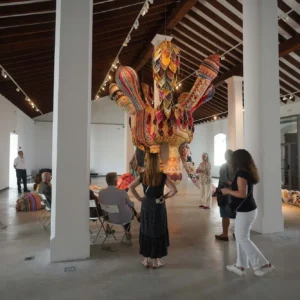
During winter months, the island hosts cultural events, exhibitions, concerts, traditional celebrations and a very active social life among residents. It is also the best season for outdoor sports such as hiking, cycling and trail running, thanks to mild temperatures and empty paths.
For many repeat visitors, winter is when Ibiza feels most authentic: quiet beaches, open conversations, local gastronomy and a strong sense of community.

5. “There is no culture or history“
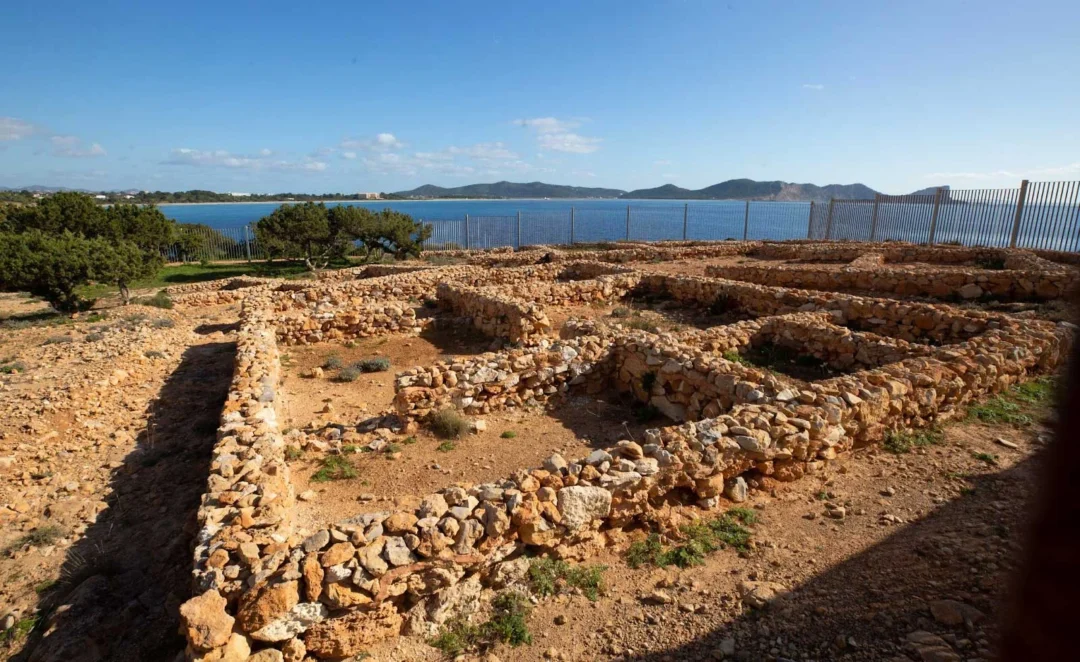
Few myths are as inaccurate as this one. Ibiza is officially recognised as a UNESCO World Heritage Site, a status granted for the exceptional value of Dalt Vila, the Phoenician settlement of Sa Caleta, the necropolis of Puig des Molins and the Posidonia oceánica.
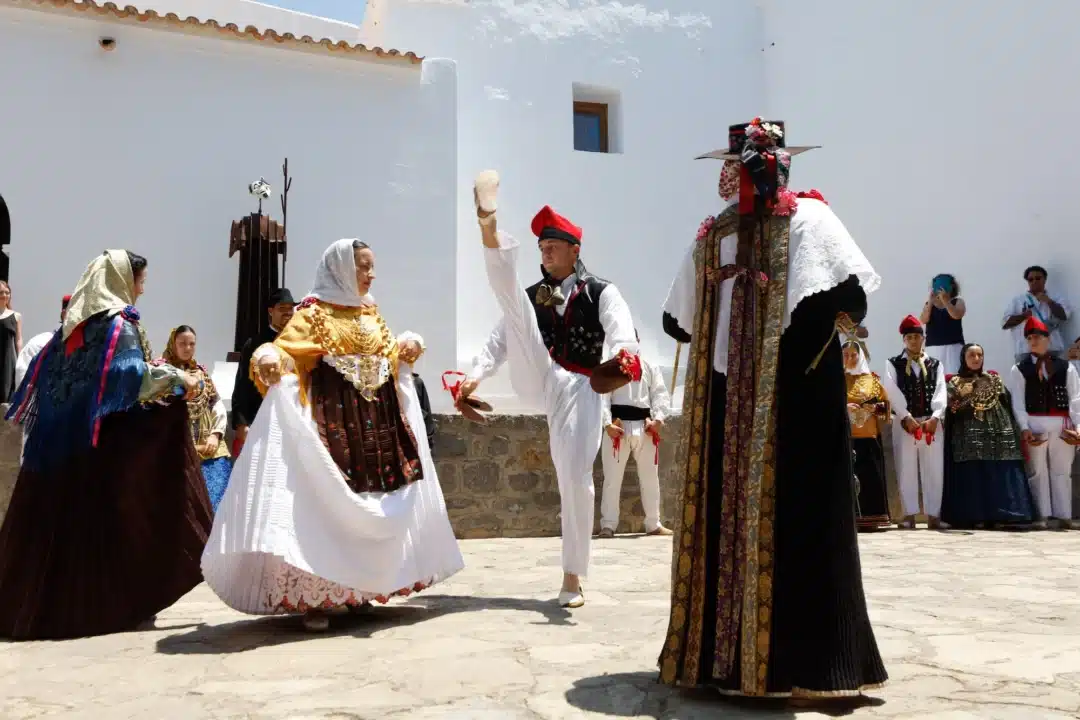
But Ibiza’s cultural heritage goes far beyond monuments. Rural churches, traditional architecture, local crafts, gastronomy, folklore and oral traditions continue to shape the island’s identity. Even Ibiza’s modern creative movements — from Adlib fashion to contemporary art — are rooted in this cultural mix.
History in this island is not confined to museums; it is visible in landscapes, customs and everyday life.
6. “All beaches are overcrowded“
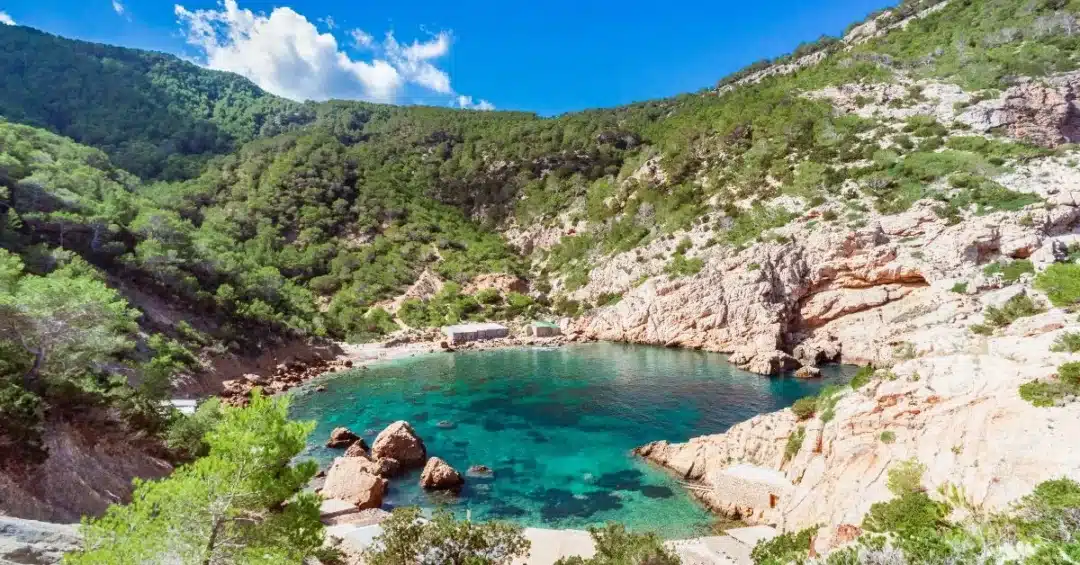
Some beaches do get crowded during summer, especially those that are easy to access and well known internationally. However, the idea that all beaches are overcrowded is misleading.
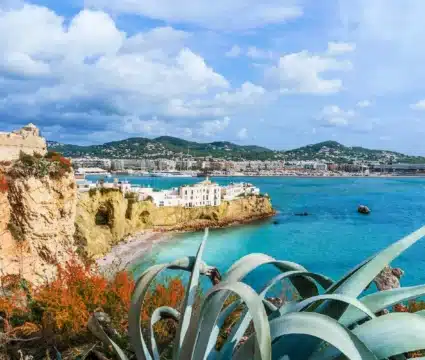
The island has more than 200 kilometres of coastline and dozens of coves. Many of them, particularly in the north and along less developed areas, remain relatively quiet even in high season. Timing also matters: early mornings and late afternoons often transform busy beaches into peaceful spaces.
Exploring beyond the most famous names usually rewards visitors with calmer, more natural surroundings.
7. “Ibiza is small, you can see it in one day“
Ibiza’s size can be deceptive. While distances are short, the island has multiple layers that take time to understand.
Each village has its own character, each coastline feels different, and seasonal events constantly reshape the island’s atmosphere. From food fairs and cultural festivals to markets and local celebrations, Ibiza changes throughout the year.
Many travellers who initially plan a short stay end up extending their visit — or returning — because the island reveals itself gradually, not all at once.
8. “The island only lives from tourism”
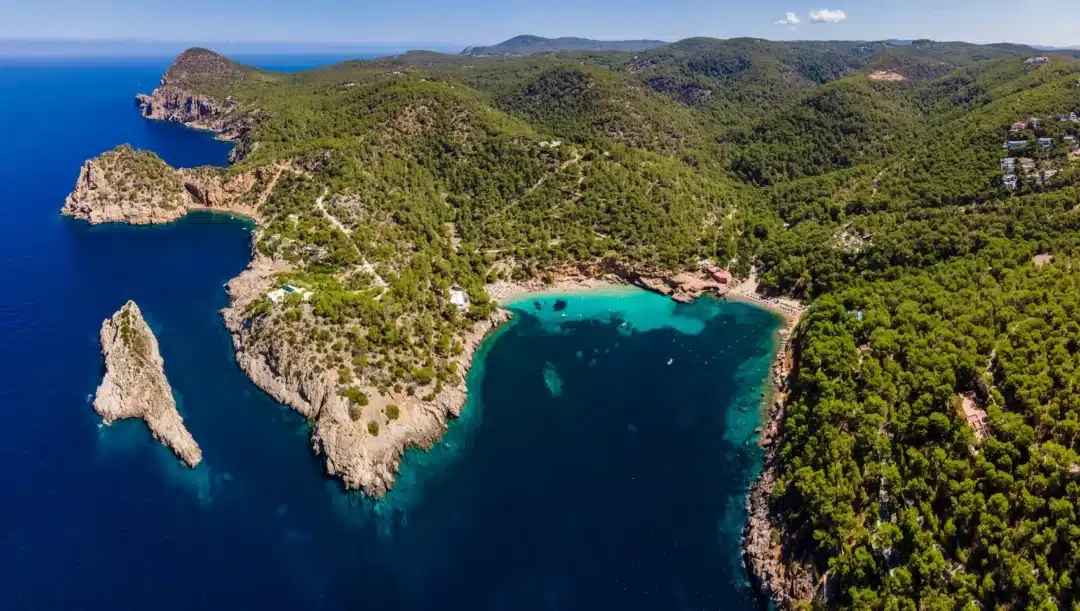
Tourism is undoubtedly a key economic pillar, but Ibiza’s economy is more diverse than it may appear.
Agriculture, fishing, winemaking, crafts, local commerce and a growing creative and cultural sector all contribute to daily life on the island. Local markets, cooperatives and small businesses play an important role, particularly outside the main tourist centres.
These activities not only support the economy but also help preserve the island’s identity and landscape.

9. “Ibiza is not family-friendly”
It has increasingly positioned itself as a family-friendly destination. Many beaches have calm, shallow waters ideal for children, and there is a growing offer of accommodation designed for families.
Beyond the beach, families can enjoy easy walking routes, boat trips, educational farms, local festivities and outdoor activities that appeal to all ages. Travelling outside peak summer weeks makes the experience even more relaxed for families.
10. “Ibiza has lost its essence”
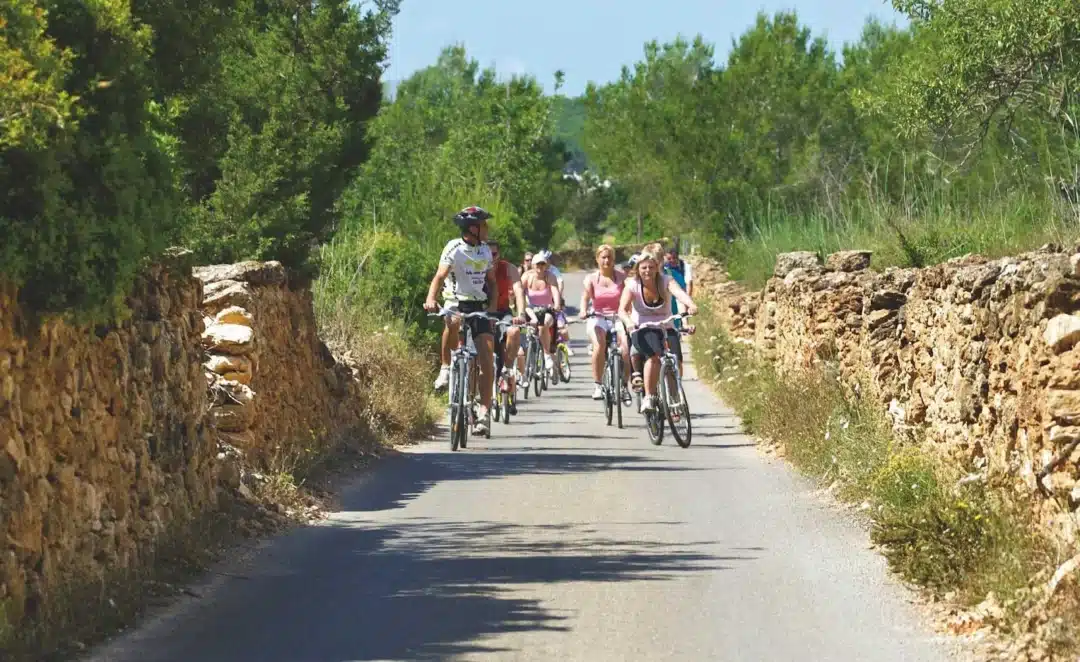
Ibiza has evolved, as all places do, but evolution does not necessarily mean loss. The island’s essence is still present in its rural landscapes, traditional festivities, interior villages and local community.
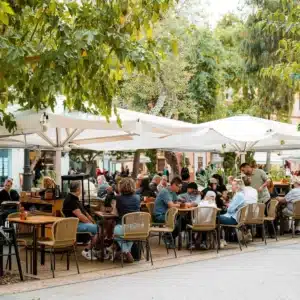
Experiencing this side of the island often requires slowing down: walking through the countryside, visiting a village bar, attending a local celebration or simply exploring at quieter times of day.
The essence of Ibiza has not disappeared — it has just become more subtle.
Looking beyond myths about Ibiza
Many of the myths surrounding Ibiza come from seeing only one version of the island. In reality, it is diverse, layered and constantly evolving.
For travellers willing to look beyond the stereotypes, the island offers culture, nature, history, community and a way of life that goes far deeper than its most famous images. Understanding the island takes time — and that is precisely what makes it worth discovering.