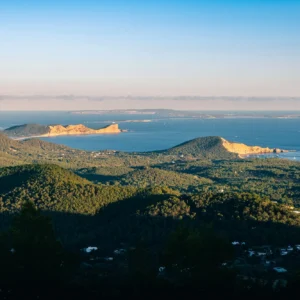

The north of Ibiza has a reputation for feeling different. Quieter, greener and less altered by large-scale development, this part of the island attracts visitors looking for a more natural and unfiltered experience. While the distances are short, the contrast with other areas of Ibiza is noticeable from the moment you arrive. Roads narrow, pine forests become denser and the coastline turns rugged and irregular.
Understanding why Ibiza’s north feels wilder has less to do with marketing and more to do with geography, history and planning. This is not an untouched destination, but it is an area where the landscape still plays the leading role.
A geography that limits development
One of the main reasons the north feels wilder is its physical geography. Steep hills, rocky cliffs and uneven terrain have historically made construction more difficult. Unlike flatter areas of the island, large resorts and wide road networks were never easy to build here.
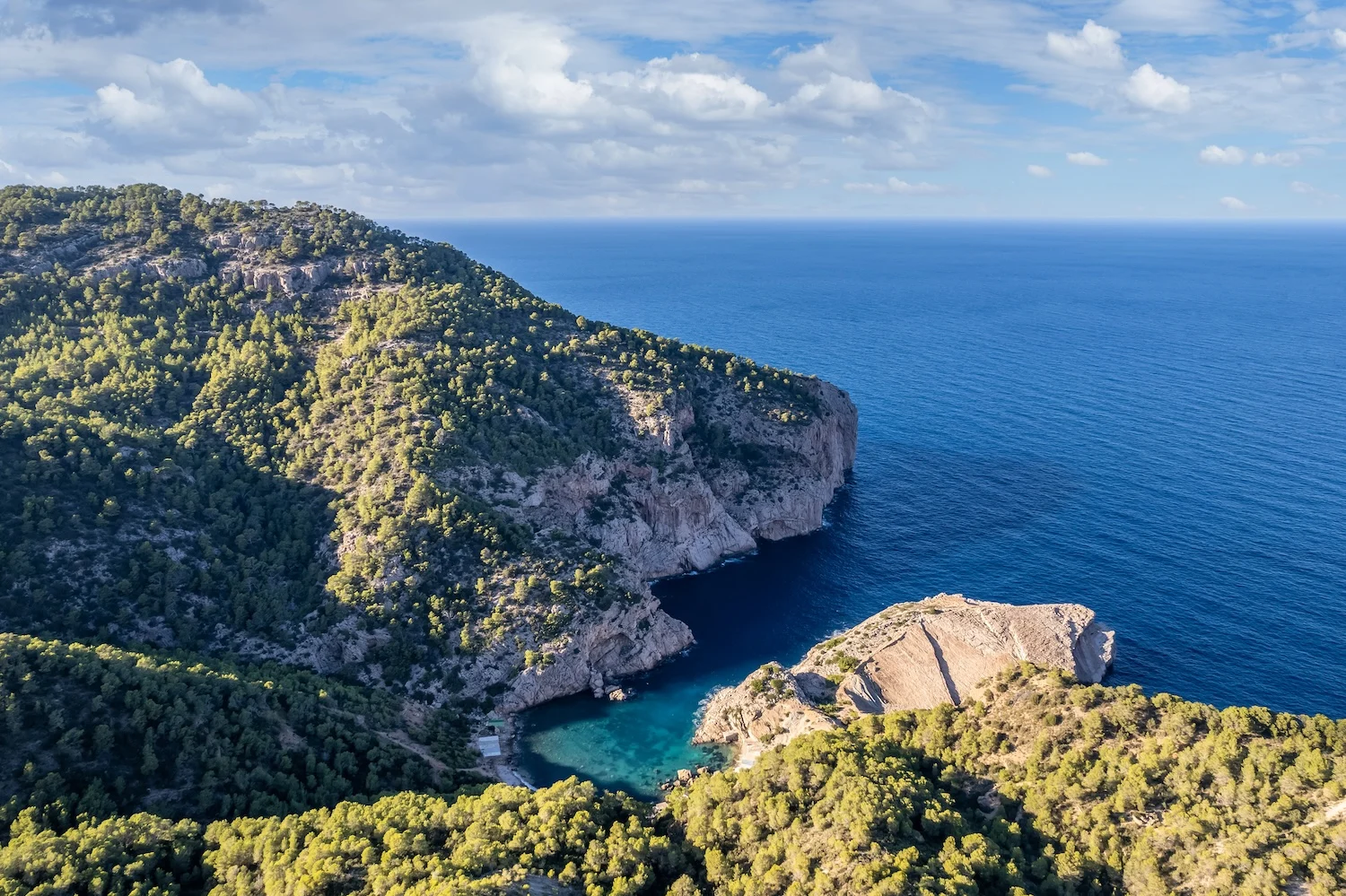
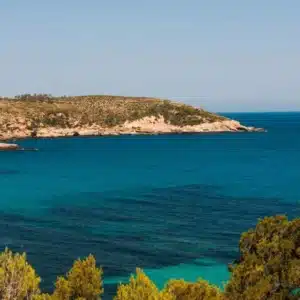
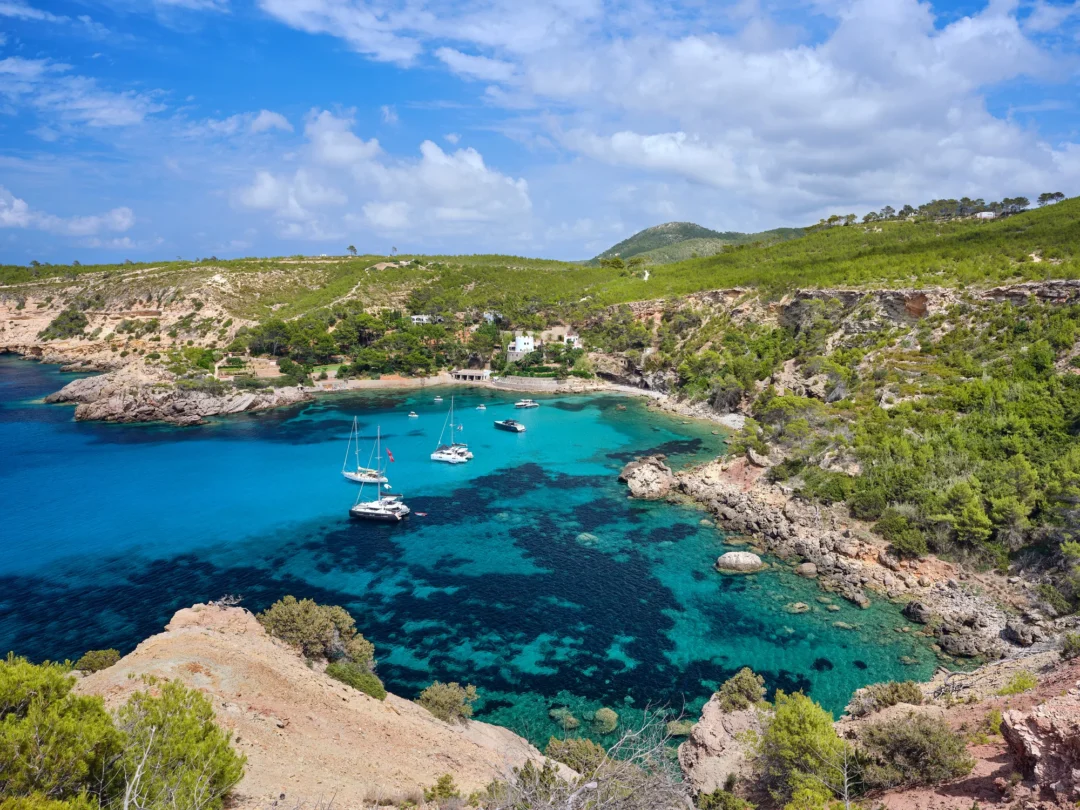
The coastline in the north is shaped by coves, headlands and sharp drops into the sea. Beaches are often smaller and framed by cliffs or forest rather than long promenades. This natural structure has helped preserve the area’s character and limited large-scale urban growth.
Pine forests and open land
The north of Ibiza is home to some of the island’s most extensive pine forests. These wooded areas stretch between villages, coves and rural roads, creating a sense of continuity between land and sea.
Walking or driving through the north often means passing through shaded areas, dry stone walls and open fields rather than built-up zones. The presence of nature is constant and visible, contributing to the feeling that the landscape is still dominant.
Smaller villages, slower rhythm
Villages in the north are generally smaller and more spread out than in other parts of Ibiza. Places like Sant Joan de Labritja have maintained a strong connection to rural life, with agriculture and local services still playing an important role.
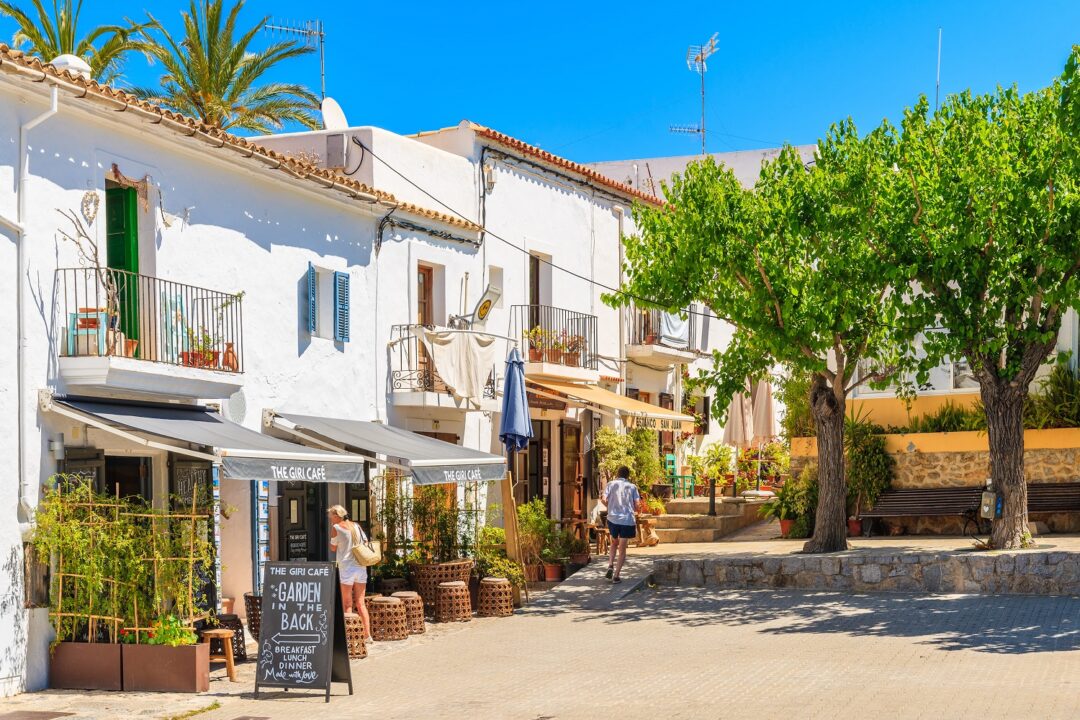
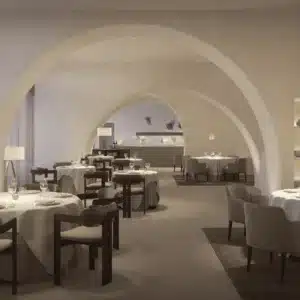
Daily life here follows a slower rhythm. Shops, cafés and restaurants tend to serve residents as much as visitors, and there is less pressure to adapt to seasonal trends. For tourists, this translates into a quieter atmosphere and fewer crowds, especially outside peak summer weeks.
Beaches shaped by nature, not infrastructure
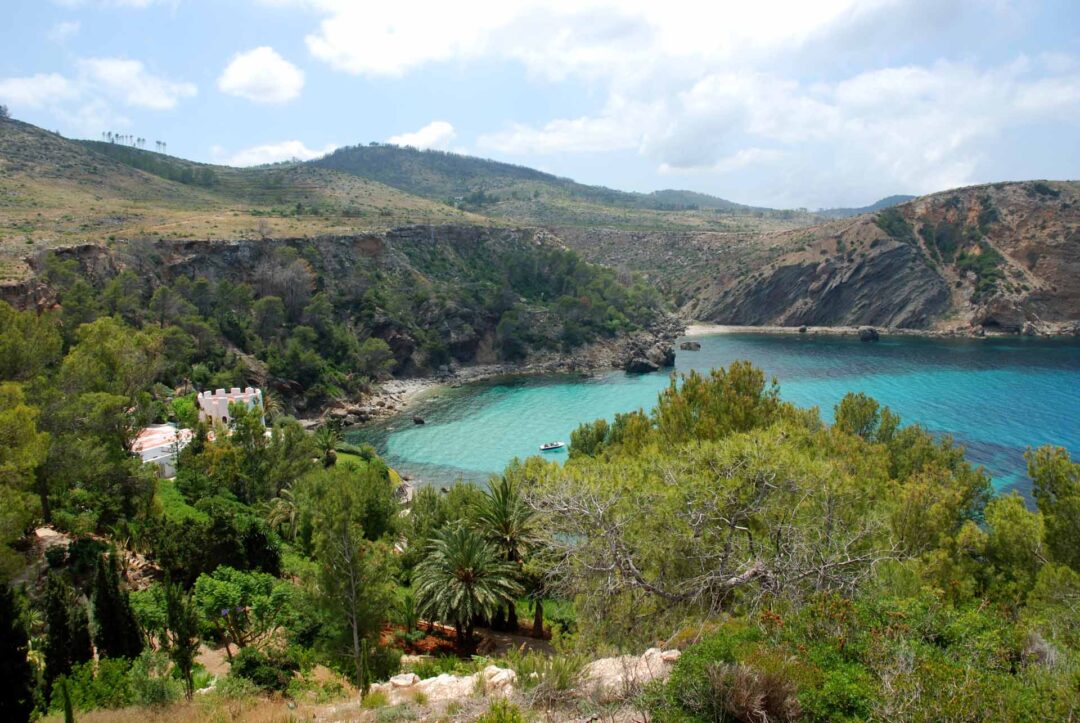
Many of the northern beaches feel wilder because they have developed around the landscape rather than the other way round. Coves such as Es Canaret or Cala Xarraca are known for their natural surroundings, rocky edges and clear waters.
Access is sometimes more limited, and facilities are usually discreet. This lack of heavy infrastructure reinforces the sense of being in a more natural environment, even when the beaches themselves are popular.
Fewer clubs, more space
The north of Ibiza has never been a centre for large nightlife venues. While there are bars, restaurants and occasional live music, the area has largely remained outside the island’s club circuit.
This absence of large nightlife infrastructure has helped preserve quieter nights, darker skies and a different relationship with the environment. For many visitors, this contributes significantly to the feeling of wildness, particularly in the evenings.
A long association with alternative lifestyles
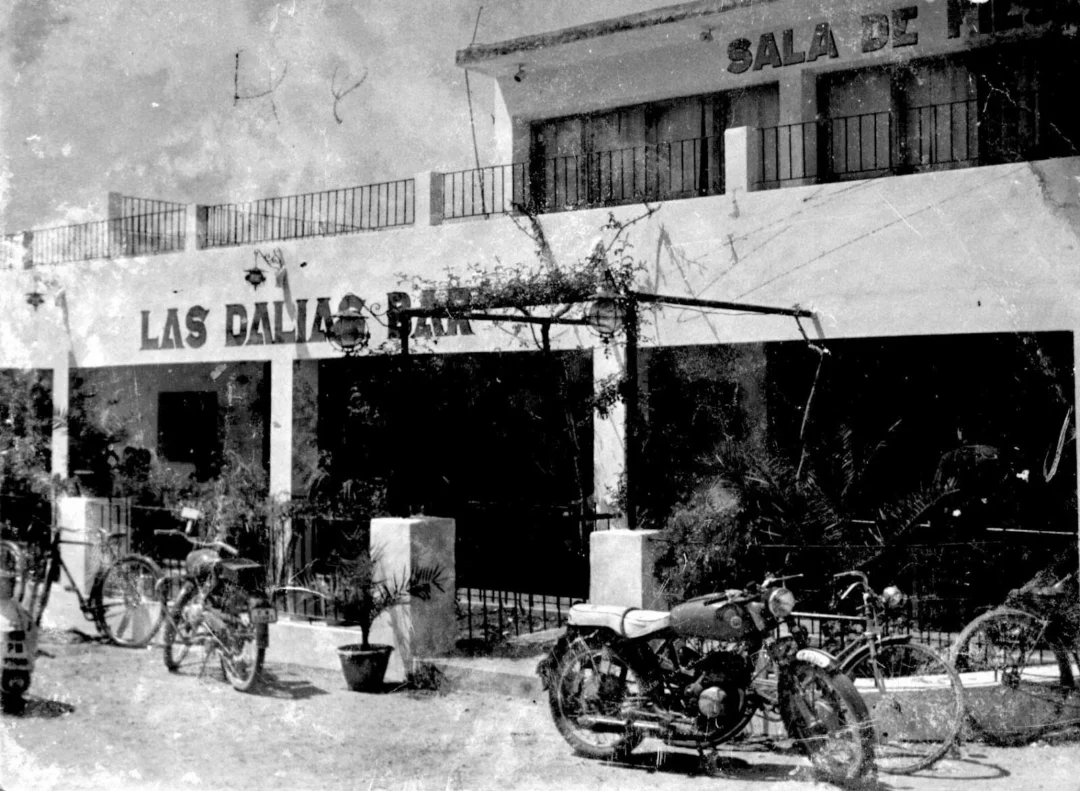
Historically, the north of Ibiza attracted artists, writers and people seeking a simpler way of life. This legacy still influences the area today, visible in small retreats, independent projects and a general emphasis on wellbeing and nature.
Rather than large developments, the north has evolved through small-scale initiatives that tend to blend into the landscape. This continuity has helped maintain a sense of authenticity and restraint.
Roads that encourage exploration
Driving in the north often feels more exploratory than functional. Roads wind through hills, forests and valleys, with viewpoints and hidden paths along the way. This layout discourages fast travel and encourages stopping, walking and discovering places gradually.
For visitors, this means the journey itself becomes part of the experience, reinforcing the idea that the north is less about reaching a destination quickly and more about moving through the landscape.
Ibiza’s north feels wilder because it has grown differently. Geography, planning decisions and local culture have all contributed to preserving a stronger connection between land, sea and daily life.
For tourists, this does not mean sacrificing comfort, but it does mean adjusting expectations. The north is ideal for those who value nature, space and calm over constant activity. It offers a version of Ibiza where the environment sets the pace.
A different way to experience Ibiza
Choosing the north is often a conscious decision. It appeals to travellers who want to walk more, listen more and do less. The wild feeling comes not from isolation, but from balance.
If you are planning a trip to Ibiza and want to experience a quieter, more natural side of the island, spending time in the north is one of the best ways to understand why Ibiza still feels wild in places.